


Residential Painting Contractor Pittsburgh, PA: How to Protect Furniture and Floors While Staying Home
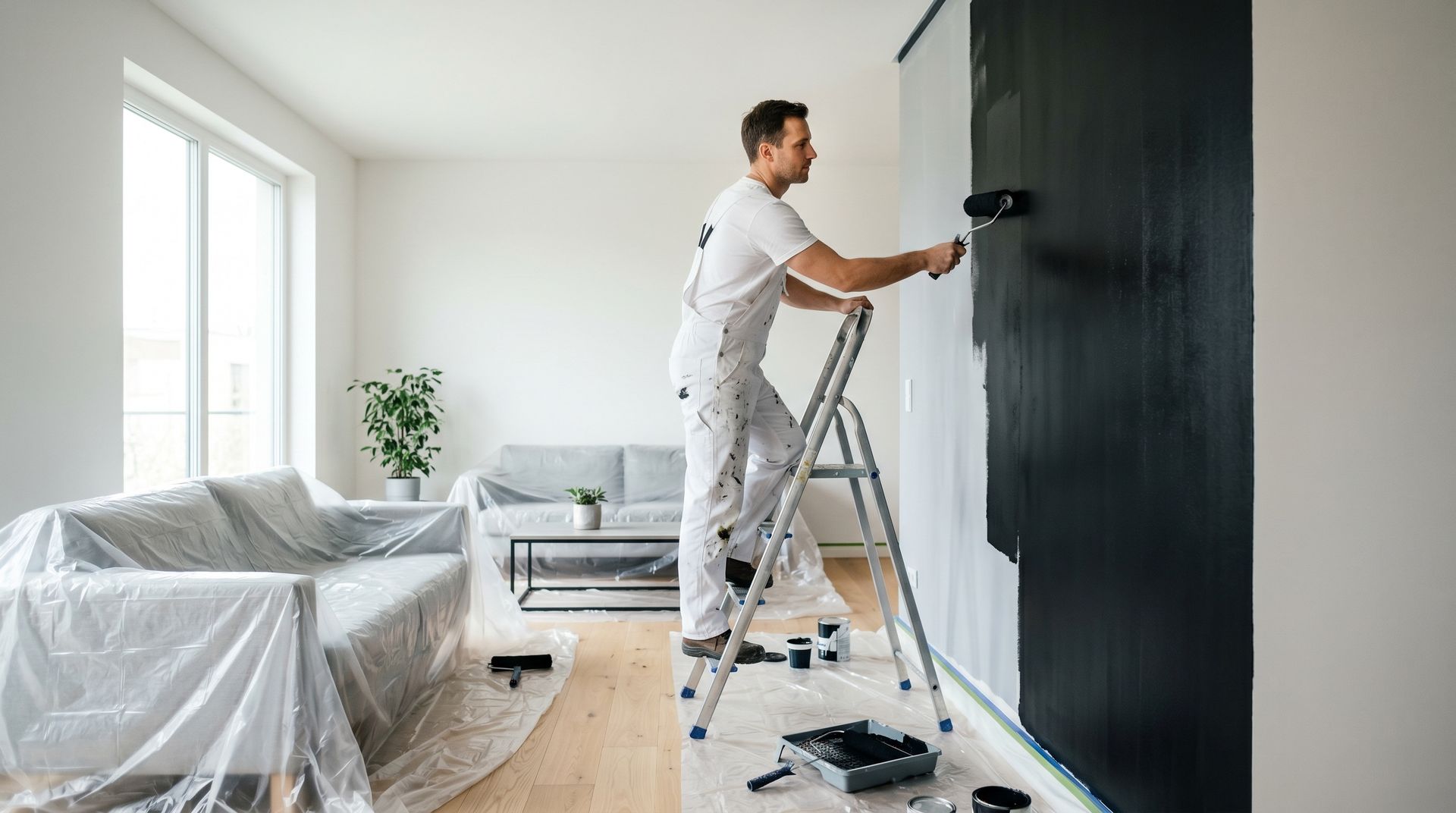
This guide explains what a residential painting contractor in Pittsburgh, PA, does to protect an occupied home. It also covers what you can do to make the job easier on your household. Painting while you live in a house is manageable when you know what to expect each day.
Plan the Job Before Day One
The best protection starts before any brush comes out. At the estimate, tell the contractor how your household uses the house. Be sure to mention:
- Who works from home.
- Whether young children or pets are around.
- Which rooms you cannot do without.
A good residential painting contractor will use that information to set the order of rooms and the daily schedule. That way, one bathroom or the kitchen is never off limits for long.
Ask About Lead-Safe Practices in Older Homes
Many Pittsburgh houses predate 1978, especially in older neighborhoods like Dormont and Lawrenceville. The EPA requires paid contractors who disturb paint in homes built before 1978 to be certified and use lead-safe work practices. There are limited exceptions for very small jobs. Lead-safe work keeps dust from spreading to the rest of your home.
Ask your contractor whether they are lead-safe certified and how they handle sanding and dust in an occupied home. About half of homes built before 1978 have lead-based paint, and the older the house, the more likely it is.
What to Clear Before the Crew Arrives
A little preparation helps the crew start on time. Consider these steps:
- Take pictures, mirrors, and shelf decor off the walls.
- Remove curtains and blinds from the rooms being painted.
- Put breakable and valuable items in a room that will not be painted.
- Clear the floor around walls so crews can reach every edge.
- Decide where pets will stay during work hours.
The contractor protects floors and larger pieces, but the smaller items are easier to manage when you move them yourself.
Protecting Floors, Stairs, and Furniture
Protection goes beyond the room being painted. A good crew protects the rest of the house in these ways:
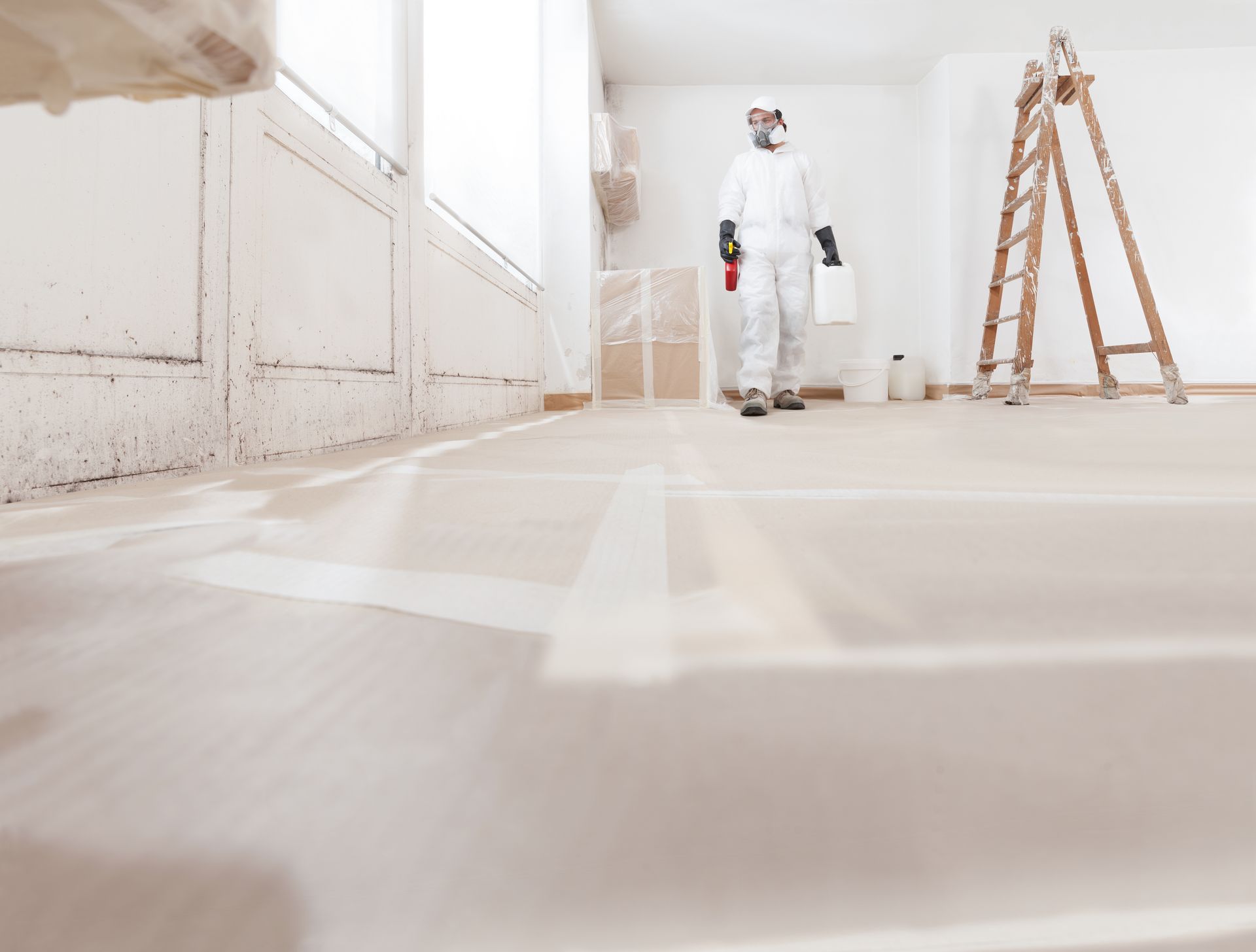
- Runners cover the path from the door to the work area, so no one tracks paint or dust through the house.
- Stair treads and thresholds get covered if the crew uses them.
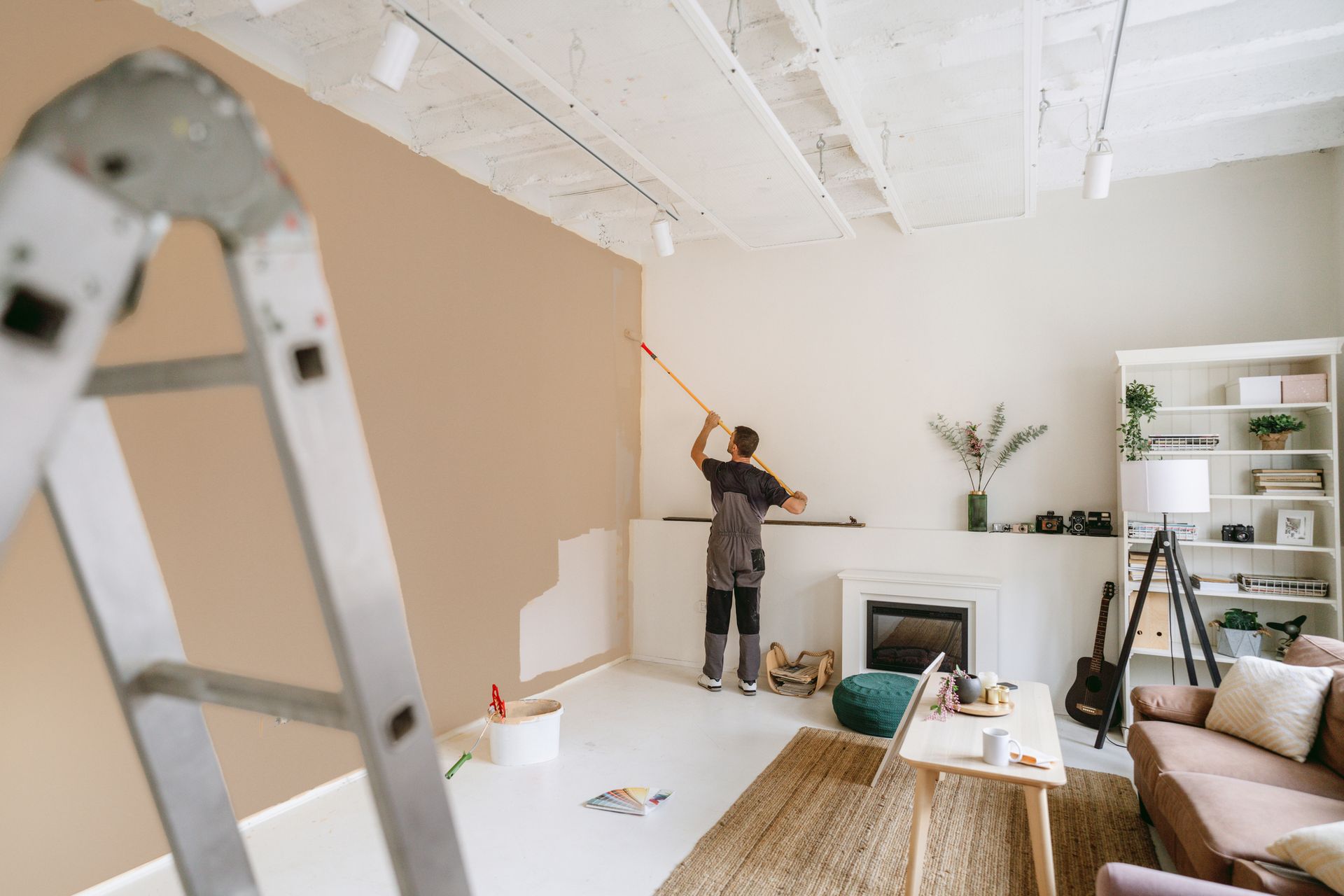
- Furniture that stays in the room is pulled to the center and covered.
- The floor around the furniture is protected.
The crew plans this setup at the start of each day, so the house stays usable around the work area.
How a Typical Day Looks
Most days follow the same rhythm:
1. The crew arrives and sets up protection in the work area.
2. The crew repairs and preps the surfaces.
3. The crew applies primer and paint.
Surface preparation, including cleaning, sanding, patching, and priming, takes real time, and it is what makes the paint last.
At the end of each day, the crew cleans up so the house is livable overnight. Tools are organized, and drop cloths stay where they are needed.
Dust, Odor, and Air in the House
Sanding creates dust, and fresh paint has a smell. A residential painting contractor should explain how dust will be contained and whether low-odor paints are an option for your rooms. These steps help the air clear faster:
- Open windows when the weather allows.
- Run fans in the work area.
- Keep doors to unpainted rooms closed.
Plan for sensitive family members. If someone has breathing issues, talk about timing and a place to stay during the heaviest work.
Working From Home During a Paint Job
If you work from home, choose a room to be painted last, or ask the crew to start away from your desk. Expect some noise during prep, and agree on quieter windows for calls.
Open communication is the simplest fix. A short check-in each morning keeps everyone on the same page.
Keeping Children and Pets Safe
Wet paint, ladders, tools, and open cans do not belong near children or pets. Keep them out of the work area and away from stairs and doors the crew uses. A closed room with water and bedding works for many pets. Ask the crew to close paint cans and put away tools whenever they step out.
Remind children that painted surfaces stay delicate for a while, even after they feel dry.
The Final Walkthrough
At the end, walk through each room with the contractor. Check edges, corners, and trim in good light, and point out anything you want adjusted. Take notes or photos as you go, so nothing gets missed. A careful residential painting contractor addresses small touch-ups before the crew packs up.
Paint may feel dry within hours but takes longer to fully cure, so go easy on scrubbing and heavy contact for a while.
Frequently Asked Questions
Do I Need to Leave the House During Painting?
Usually not. Many households stay home. If someone is sensitive to dust or odor, a short stay elsewhere during prep or heavy work can help.
Can I Use My Kitchen During a Paint Job?
Often yes, with planning. Tell the contractor which rooms you need, and the crew can schedule the kitchen at a time that suits you.
Choose a Pittsburgh Crew That Protects Your Home
Multicolor Painters is a residential painting contractor in Pittsburgh, PA, that protects floors and furnishings and cleans up daily. Past customers share their experience on the Multicolor Painters Google profile. Call (412) 733-8693 or contact the team to plan your project, and see the interior painting services page for more.