

Lead-Safe Practices for Painters in Pre-1978 Pittsburgh Houses: What to Ask Your Crew
Hiring painters in Pittsburgh, PA, to refresh an older home is exciting. But if your home was built before 1978, lead paint safety deserves serious attention before a single drop hits the wall. More than 85% of Pittsburgh homes were built before 1978, giving the city one of the oldest housing stocks in the country.
This guide explains what lead-safe work looks like, what the law requires, and what to ask any painting crew before they start.
Why Pittsburgh Homeowners Should Take Lead Paint Seriously
Over 37% of Pittsburgh homes were built before 1956, right in the era when lead paint was standard. About 87% of homes built before 1940 contain some lead paint. Even homes built closer to the 1978 ban are not automatically safe.
Why Lead Dust Is the Real Problem
The danger is not paint sitting quietly on a wall. The real hazard is lead dust created when old paint is disturbed.
Crews take these steps before applying a fresh coat, and each one can release dust:
- Sanding old paint.
- Scraping peeling or flaking surfaces.
That dust can spread into the air and onto surfaces where children and adults are exposed to it.
What Does the Law Require for Painters in Pittsburgh?
The EPA's Renovation, Repair and Painting (RRP) Rule covers work that disturbs painted surfaces in homes built before 1978. Anyone paid to do this work must be certified and trained in lead-safe work practices.
Two layers of certification must be in place before work begins:
- The firm itself must be EPA-certified.
- At least one certified renovator must be on-site.
Other workers must either be certified renovators themselves or be trained on the job by the certified renovator. Pennsylvania operates under the federal EPA program, so these standards apply directly to contractors in Pittsburgh working in older homes.
What Happens If a Contractor Is Not Certified?
Skipping certification is not a minor oversight. Non-compliance exposes families to lead dust hazards that carry lasting health risks, particularly for young children.
Contractors without a certified firm or a certified renovator on staff should not work in homes built before 1978.
Does This Apply Even If They Are Just Painting?
Yes. Many homeowners assume lead rules only apply to major remodels. Anyone paid to disturb paint in housing built before 1978 must be certified in lead-safe work practices, including sole proprietorships.
Surface prep such as scraping and sanding almost always disturbs paint. That means nearly any professional painting job in a pre-1978 home falls under the rule.
Lead-Safe Work Practices to Look For
Certified crews follow a specific process designed to contain lead dust and clean it up thoroughly. A lead-safe job should include these core practices:
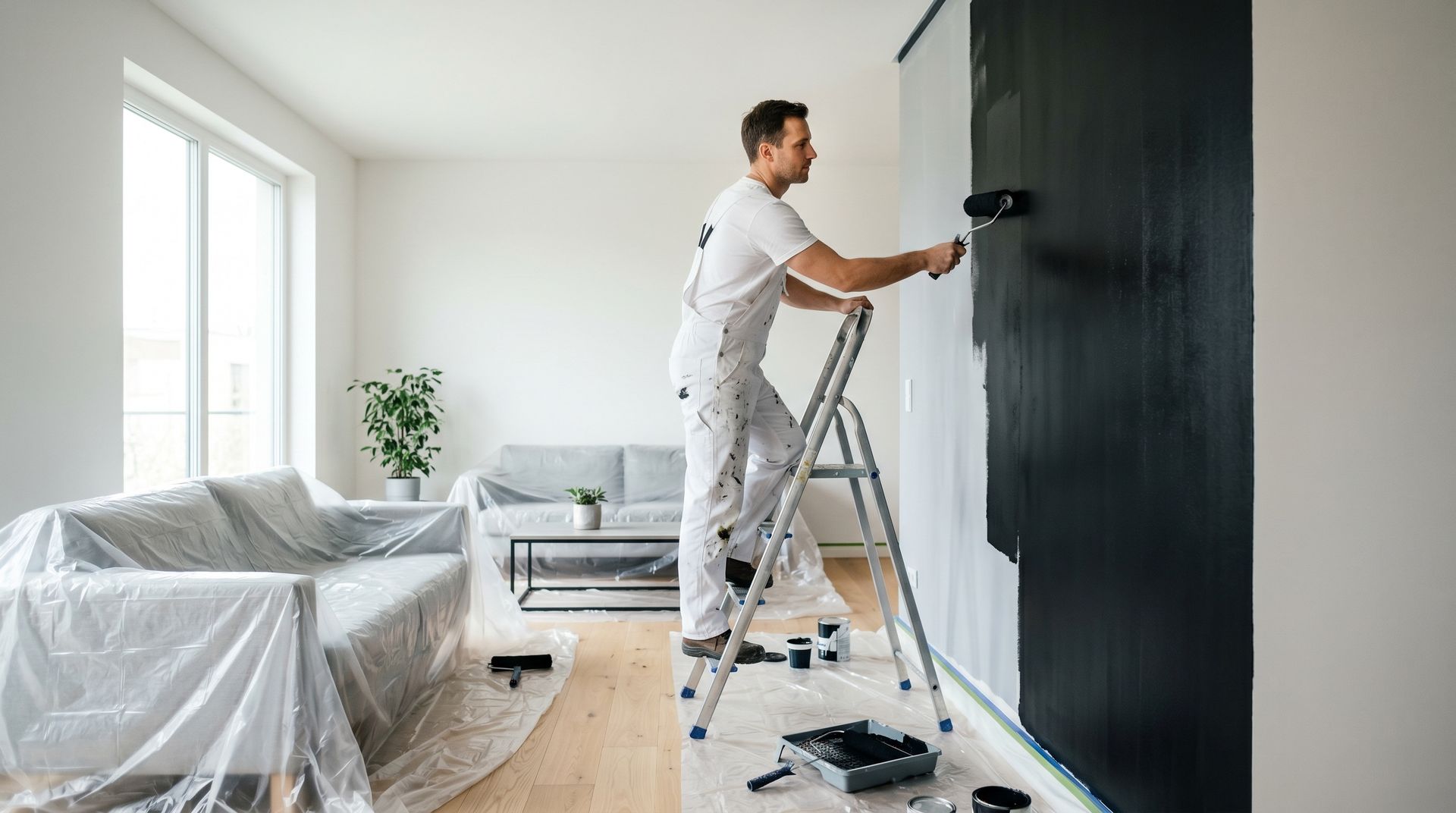
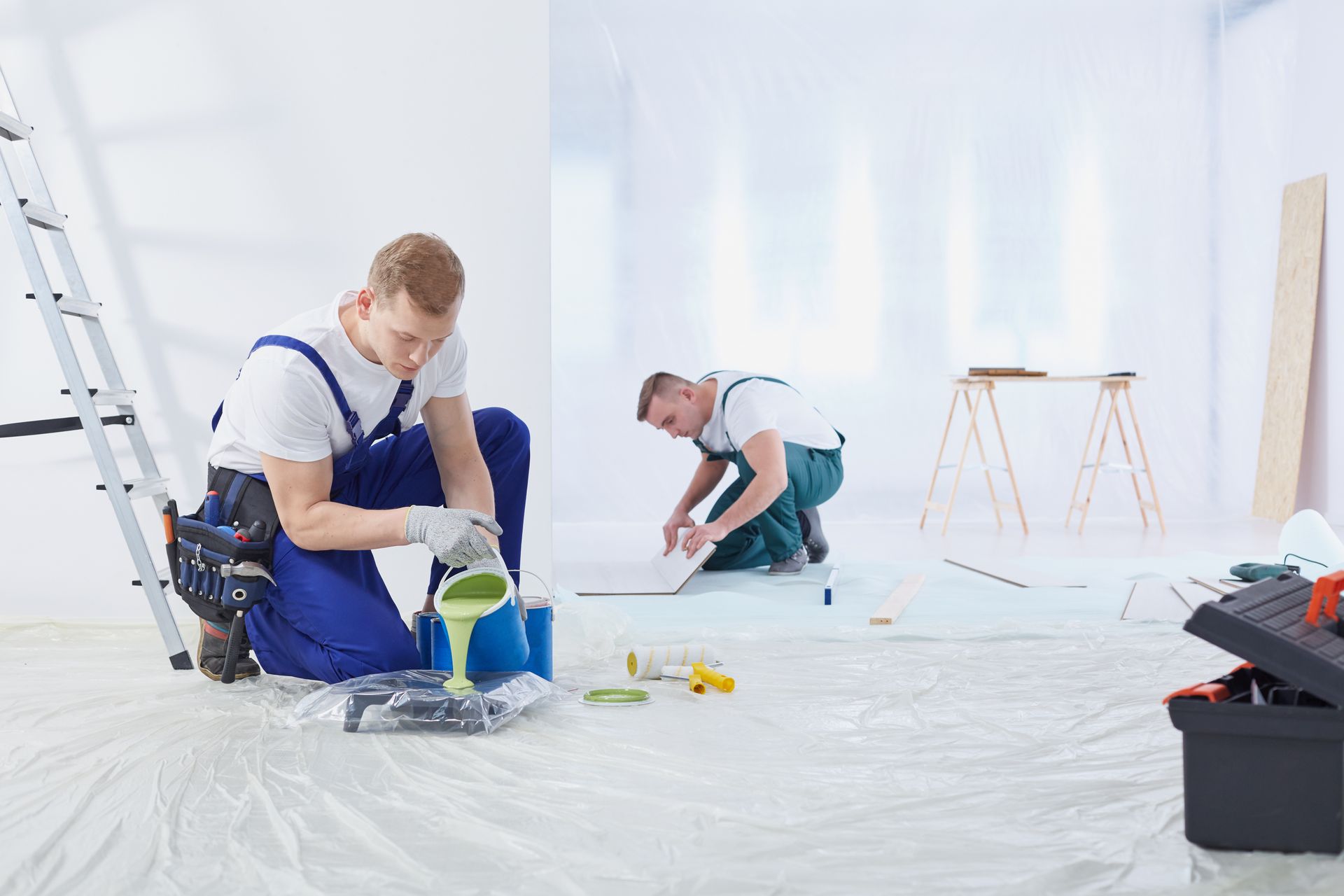
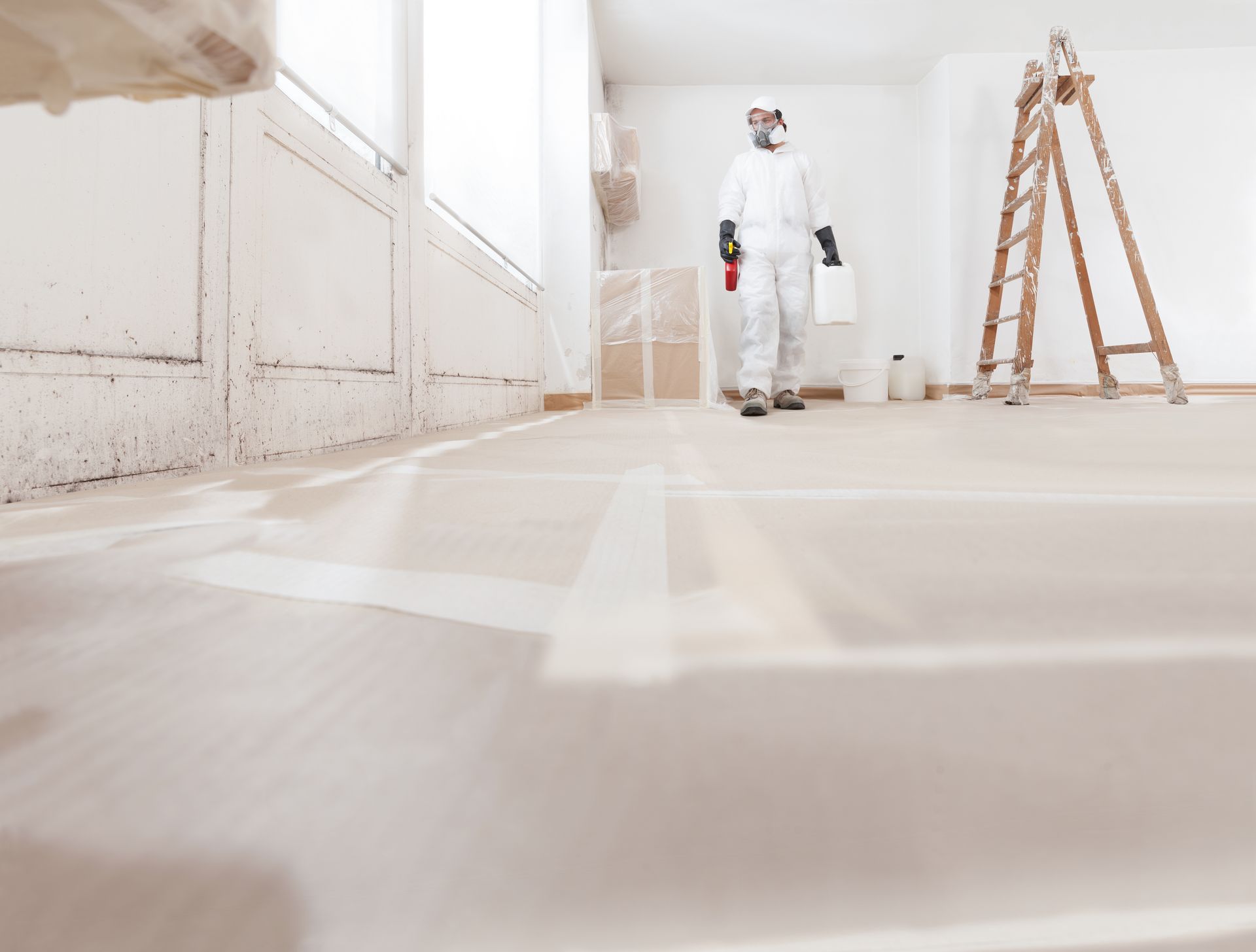
- Warning signs posted and the work area sealed off with plastic sheeting before starting.
- HVAC systems turned off so dust does not travel through ductwork.
- Wet methods used when sanding or scraping.
- No dry sanding or open-flame burning on surfaces that may contain lead.
- Work area cleaned with a HEPA vacuum, followed by wet mopping.
- A cleaning verification step completed before the containment is removed.
The firm must also keep records of its work for at least three years.
Questions to Ask Your Painting Crew Before They Start
Use this list before signing any contract:
- Are you an EPA Lead-Safe Certified Firm, and can you show me your certification number?
- Will a certified renovator be on-site for the entire job?
- How will you contain the work area and protect surfaces outside the work zone?
- What tools and methods will you use for surface prep on painted surfaces?
- How do you clean up after the job, and do you use a HEPA vacuum?
- Will you provide written documentation of the lead-safe practices used?
- Do you provide the EPA's "Renovate Right" pamphlet before starting?
Federal regulations require contractors to provide the "Renovate Right" pamphlet to owners and occupants before starting work in pre-1978 housing.
If a crew is unsure whether lead paint is present, the rule requires them to assume it is. They must then follow lead-safe practices, unless they test first using an EPA-recognized test kit.
How to Check That a Painting Company Is Certified
Follow these steps before you hire:
1. Ask for the firm's EPA Lead-Safe Certified Firm number.
2. Look up the company in the EPA's online list of certified firms.
3. Ask who the certified renovator is for your job.
4. Request a copy of the renovator's training certificate.
5. Get the lead-safe practices written into your contract.
Should I Test My Home Before Painting?
Testing is optional but helpful. The EPA has recognized specific lead test kits for use by Lead-Safe Certified renovators. You can also hire a certified lead inspector or risk assessor for a more thorough evaluation before painting work begins.
Simple Ways to Protect Your Family During the Job
A few simple steps add extra protection:
- Keep children, pregnant women, and pets away from the work area.
- Move toys, bedding, and furniture out of the room, or ask the crew to cover them.
- Stay out of the work area until the crew finishes cleanup and verification.
Get in Touch with a Painting Team That Takes Safety Seriously
Pittsburgh's older neighborhoods, from Lawrenceville to Brookline and Beechview to Hazelwood, are full of beautiful pre-1978 homes.
Choosing painters in Pittsburgh who understand the responsibility of working in these homes makes a real difference. It protects your family's safety and the quality of the finished work.
Multicolor Painters offers interior and exterior painting in the Pittsburgh, PA, area, with attention to detail and a commitment to doing the job right. Contact us today to request a free estimate or to ask about our approach to working in older homes.
Call
(412) 733-8693 to speak with our team directly. You can also find us and read reviews at
Multicolor Painters.