


Should You Paint or Replace Aging Trim and Woodwork? Advice From Painters in Pittsburgh, PA
Deciding what to do with aging trim and woodwork is one of the most practical questions homeowners in Pittsburgh, PA, face. In our experience, the right answer depends on more than appearance. Understanding the difference between cosmetic wear and structural damage can save you time and money and help you avoid unnecessary renovation costs.
Paint vs. Replace: What Are You Really Looking At?
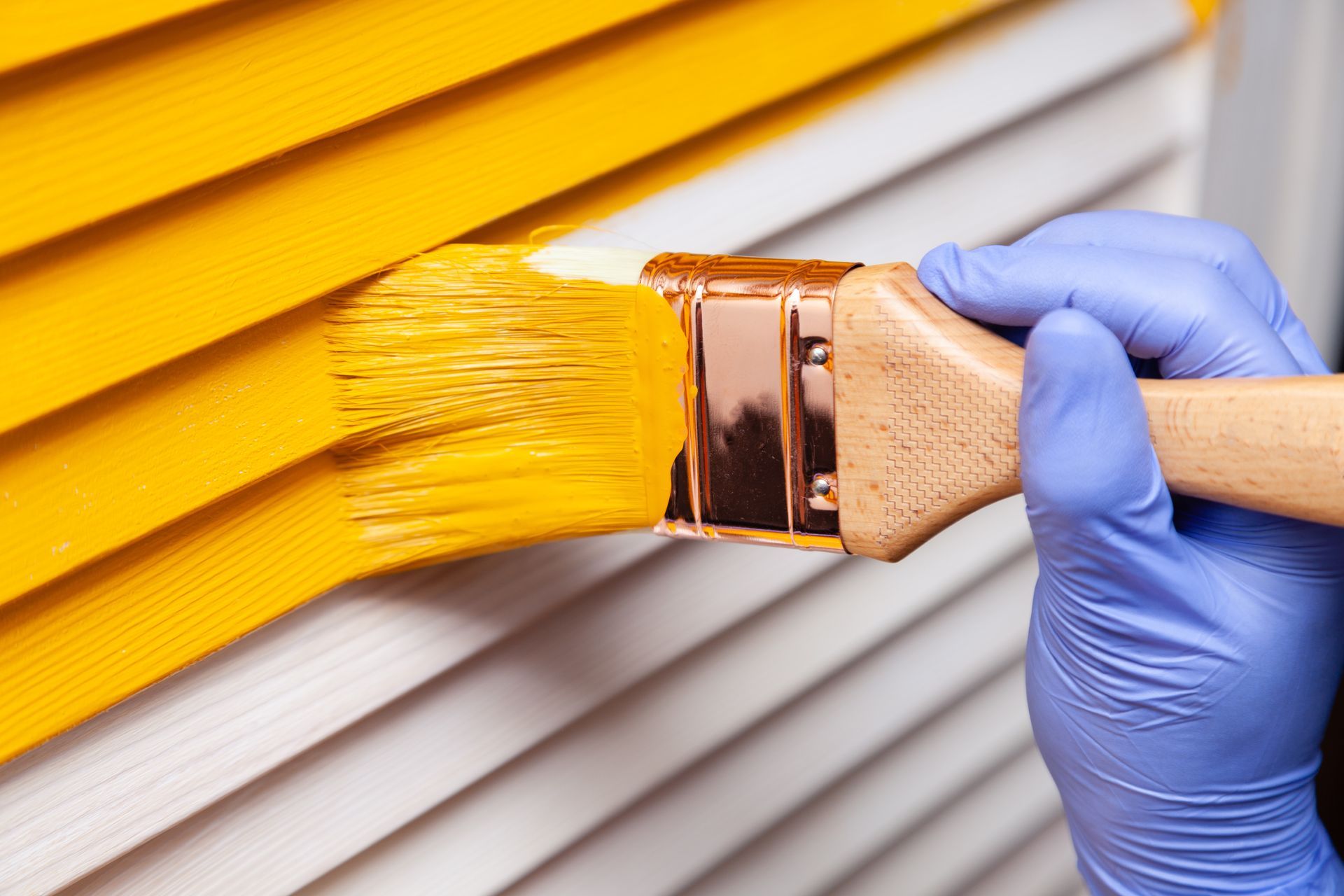
We find that painting is almost always the more cost-effective choice for surfaces showing cosmetic wear. Fading color, minor scuffs, hairline cracks, and dullness are signs that a fresh coat may be all that is needed. When trim is structurally sound, we can prime and repaint to restore a room's appearance at a fraction of the replacement cost.
Replacement makes more sense when wood has deteriorated beyond what paint can address. The signs we look for include wood that feels soft or spongy when pressed, visible rot at corners or base sections, persistent peeling that returns after repainting, and trim that has warped significantly. In our experience, painting over damaged wood at that point may only delay a larger problem.
What Signs Indicate Moisture Damage in Trim and Woodwork?
Moisture damage is one of the most common reasons trim fails in Pittsburgh, PA, homes. We tell homeowners to look for dark staining along the base of window and door trim, paint that keeps peeling in the same spot, and areas where wood appears to be separating from the wall. Running a finger or small screwdriver along the surface can detect softness that is not visible to the eye.
Pittsburgh's humid summers and cold winters accelerate moisture intrusion, especially in older homes with wood that was not properly sealed over time. In those cases, we find that replacement followed by priming and painting is the more durable solution.
Restoring Historic Woodwork in Older Pittsburgh Homes
Older Pittsburgh neighborhoods often feature original woodwork worth preserving, and we find that painting is frequently the right path. Preserving original woodwork maintains both the character and resale value of older homes.
Our process typically involves thorough sanding, spot-filling minor dents or cracks with quality wood filler, applying a bonding primer suited to aged wood, and finishing with a durable paint or enamel. Proper preparation is critical. Skipping steps like priming or filling voids results in a finish that cracks or peels faster than expected. When original woodwork is intact, we can often restore its appearance to near-original condition without the cost or disruption of full replacement.
The Role of Preparation in a Lasting Paint Job
Surface preparation separates a paint job that lasts from one that fails within a year or two. Before we apply paint, we clean surfaces to remove grease, dust, and old wax. We fully remove loose or flaking paint, and we fill and sand cracks and nail holes smooth. We caulk gaps where trim meets the wall, which also prevents future moisture intrusion.
Skipping these steps is one of the most common reasons painted trim looks worn again quickly. Our thorough prep process adds time but significantly extends how long the finished surface holds up.
Ready to Refresh Your Trim in Pittsburgh, PA?
When the time comes to assess your home's trim and woodwork, having our skilled painters evaluate the condition first can make all the difference. At Multicolor Painters
, we provide interior and exterior painting services in Pittsburgh, PA, and can help you determine whether painting or replacement is the right call for each surface. To schedule a consultation or request a free estimate, visit our painting services page
or reach out through our contact page
directly. You can also call (412) 733-8693
to speak with our team today.
Wondering what painters in Pittsburgh charge in 2026? Multicolor Painters offers free estimates and competitive pricing. Call (412) 733-8693 for a quote.
Learn what a house painter costs in Pittsburgh, PA. Multicolor Painters offers free estimates and competitive rates. Contact us for your quote today!
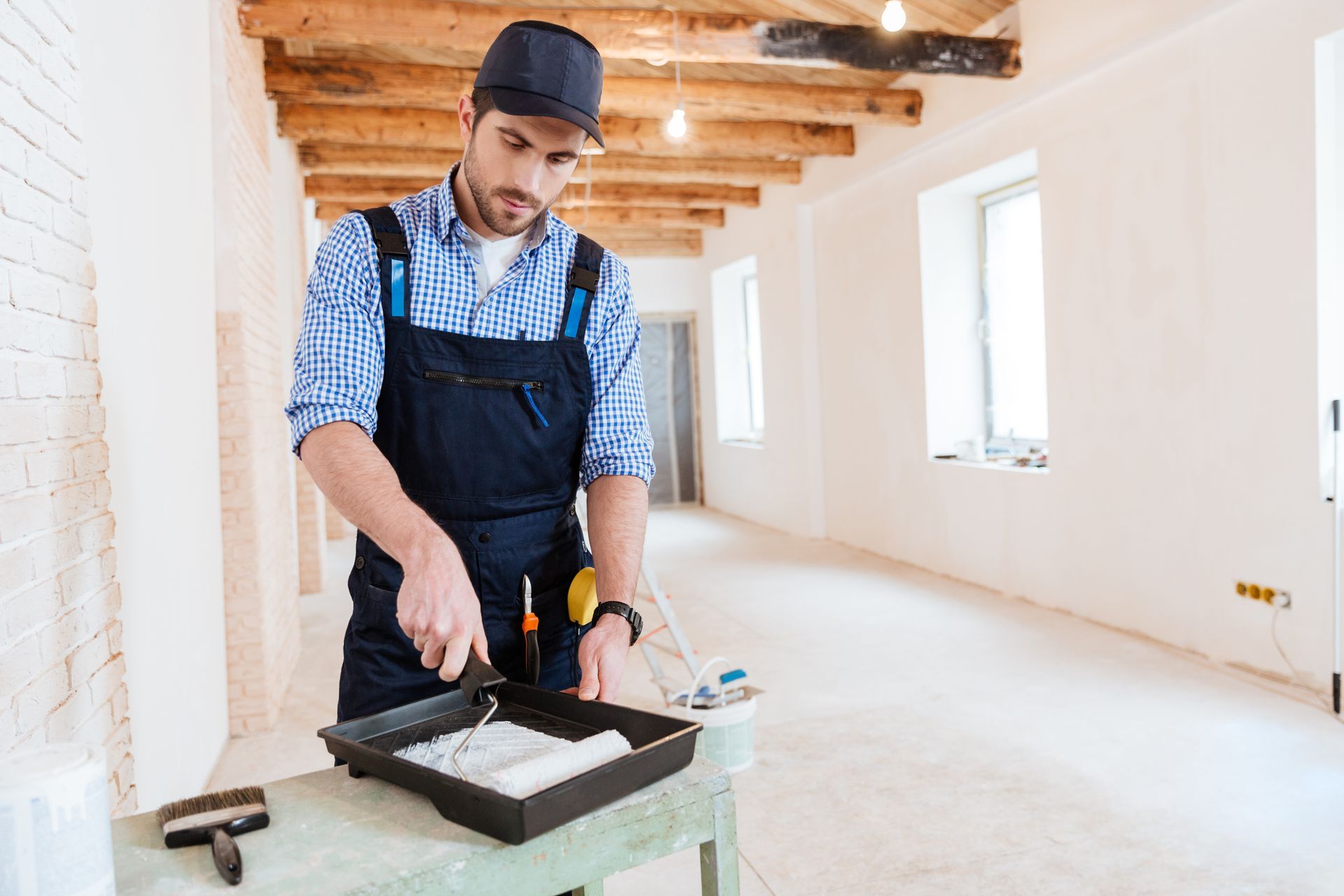
Not sure whether to hire a painter or a contractor? Multicolor Painters in Pittsburgh, PA, offers licensed, insured service. Get a free estimate today!
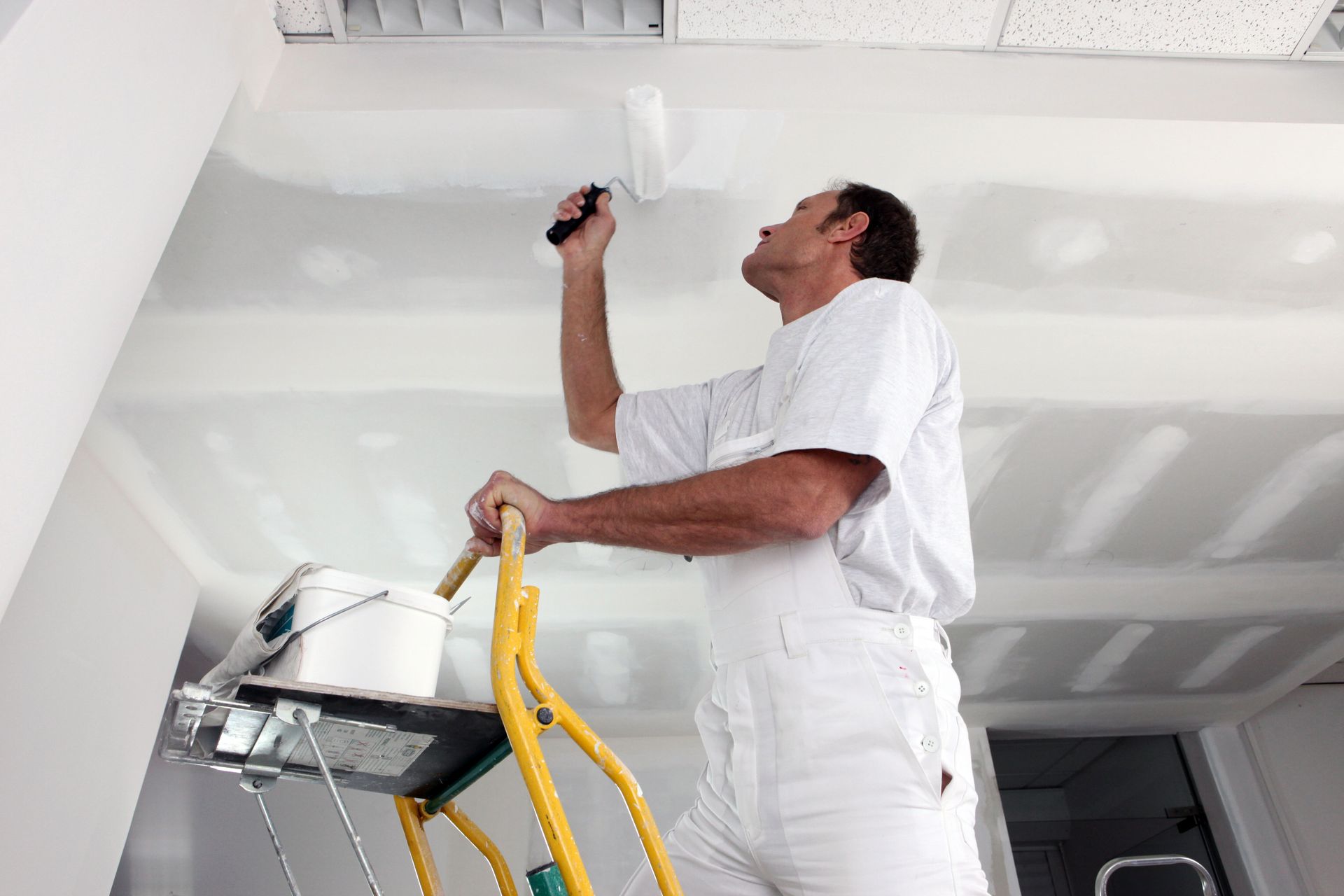
Find a local painter you can trust in Pittsburgh, PA. Multicolor Painters offers free estimates, verified credentials & dependable results. Call us today!
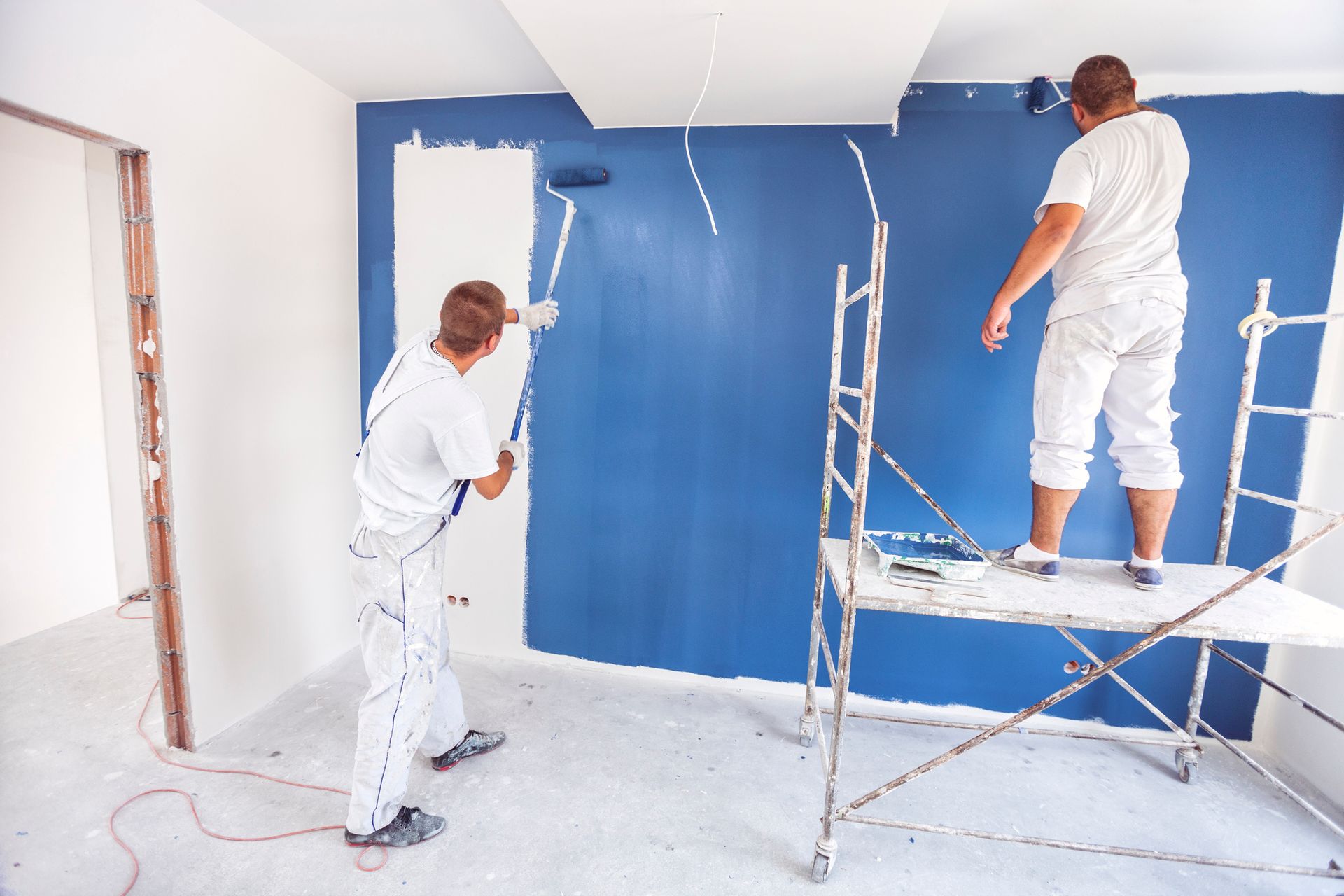
Discover the best painters in Pittsburgh PA with Multicolor Painters. Offering expert interior and exterior painting services for homes and businesses.
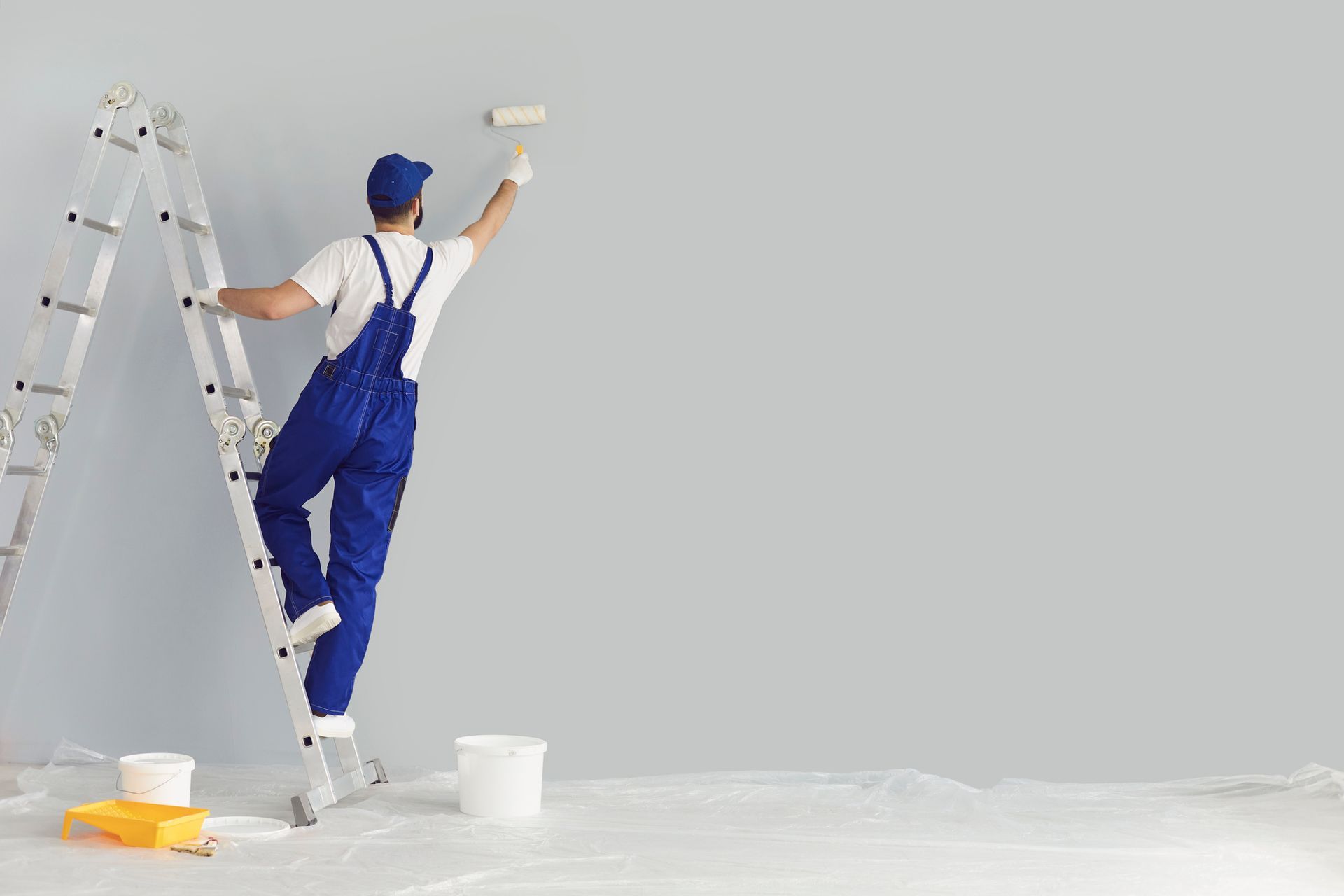
Stay ahead of the latest color trends for your Pittsburgh home. Multicolor Painters offers expert painting services to bring your vision to life.
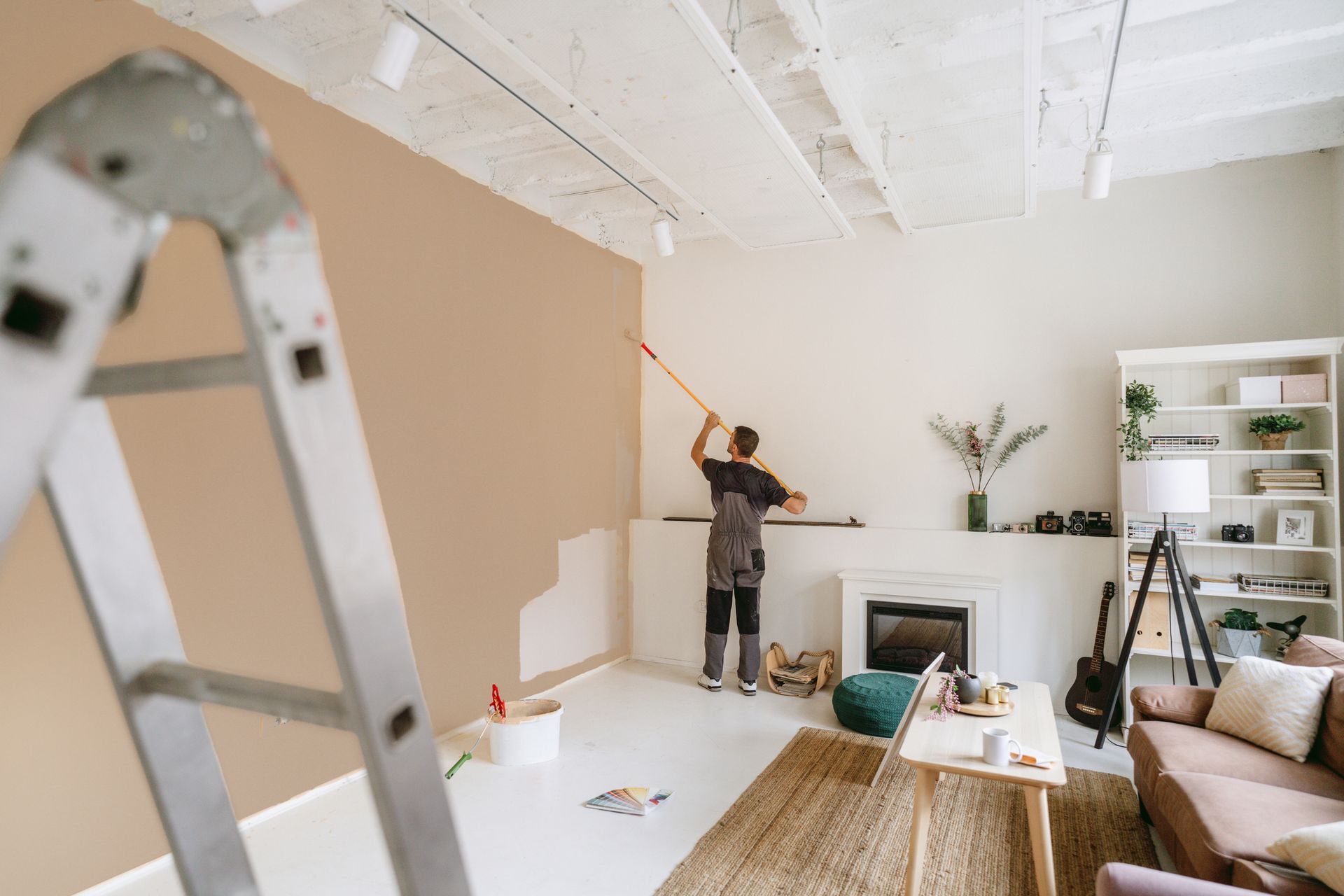
Need help choosing the right interior colors? Multicolor Painters in Pittsburgh shares expert tips for selecting the perfect paint colors for your home.
Explore the benefits of residential painting for your Pittsburgh home. Contact Multicolor Painters for expert painting services that transform your space.
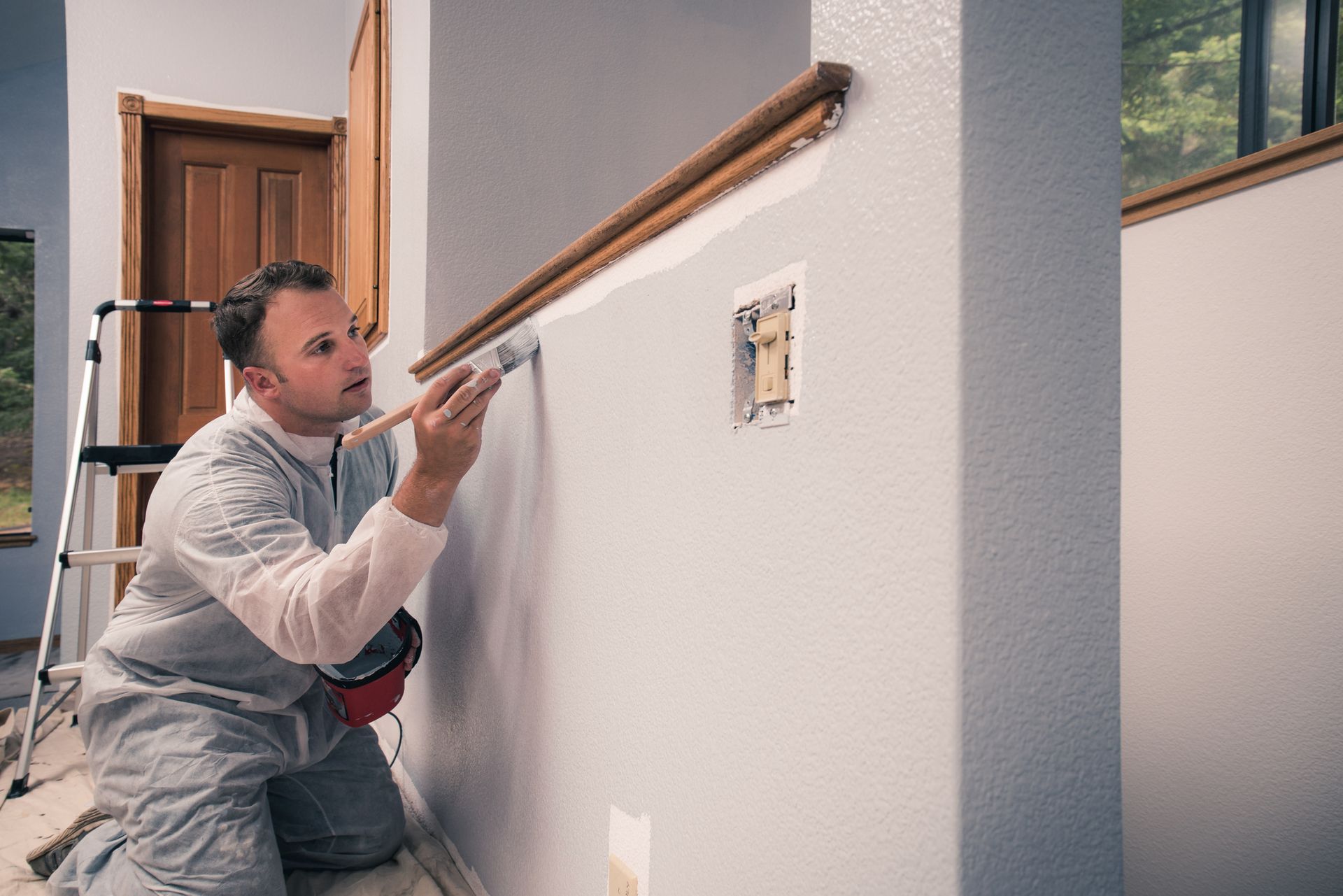
Get inspired with the latest home painting trends in Pittsburgh. Multicolor Painters offers expert services to modernize and transform your home.
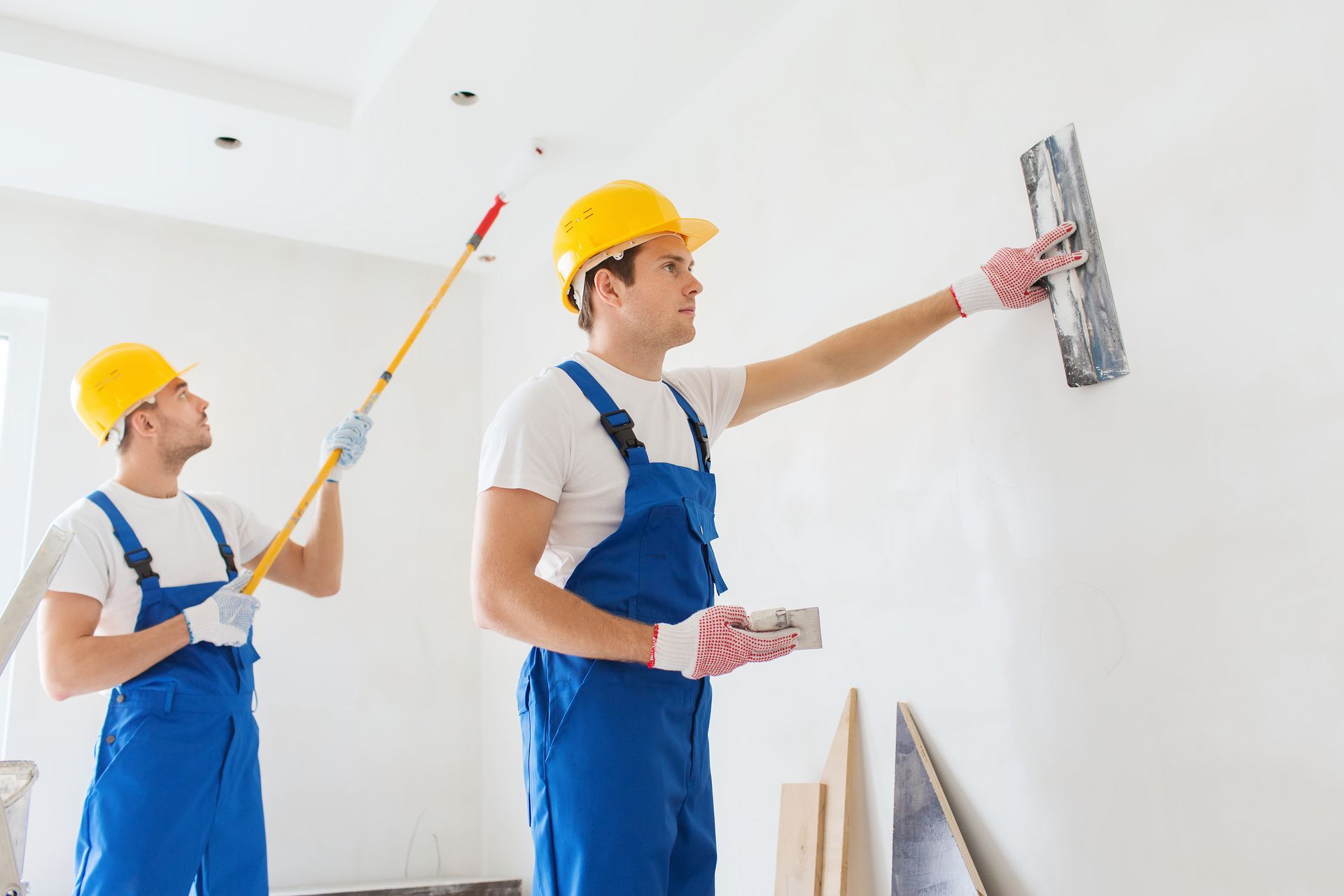
Discover why hiring professional painting contractors is a smart choice for your Pittsburgh home. Multicolor Painters shares expert advice on the benefits.


